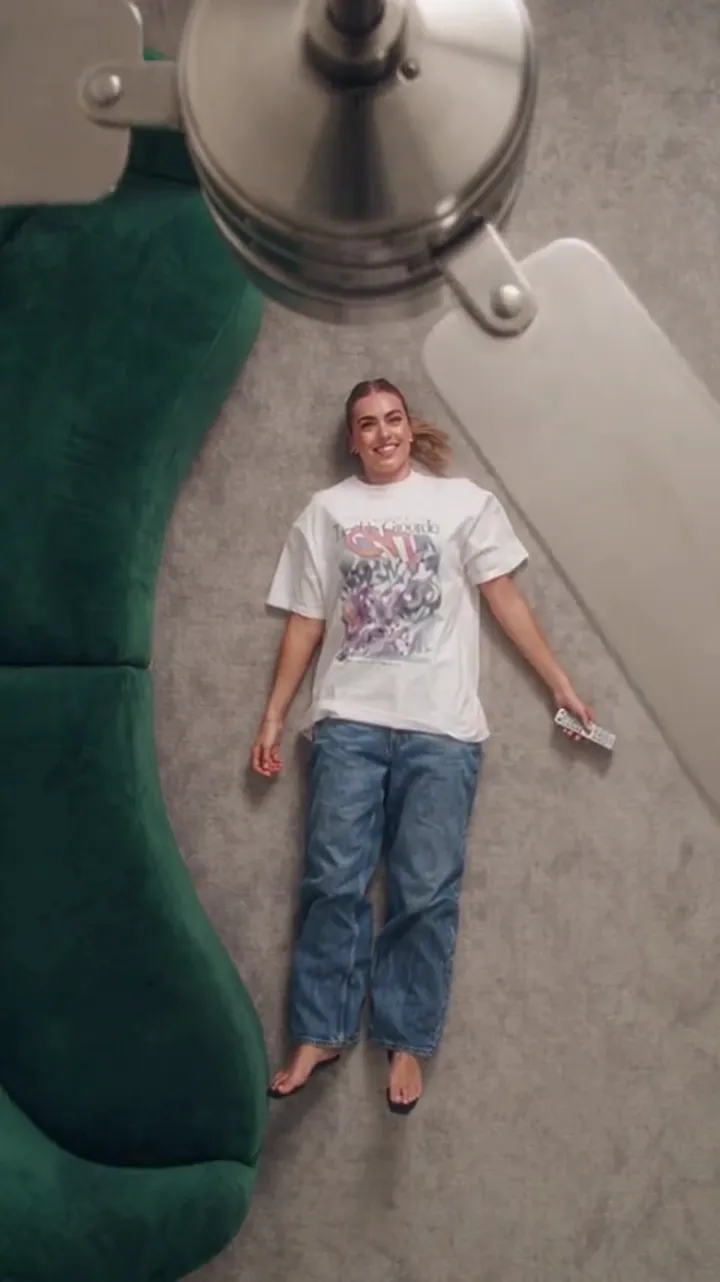
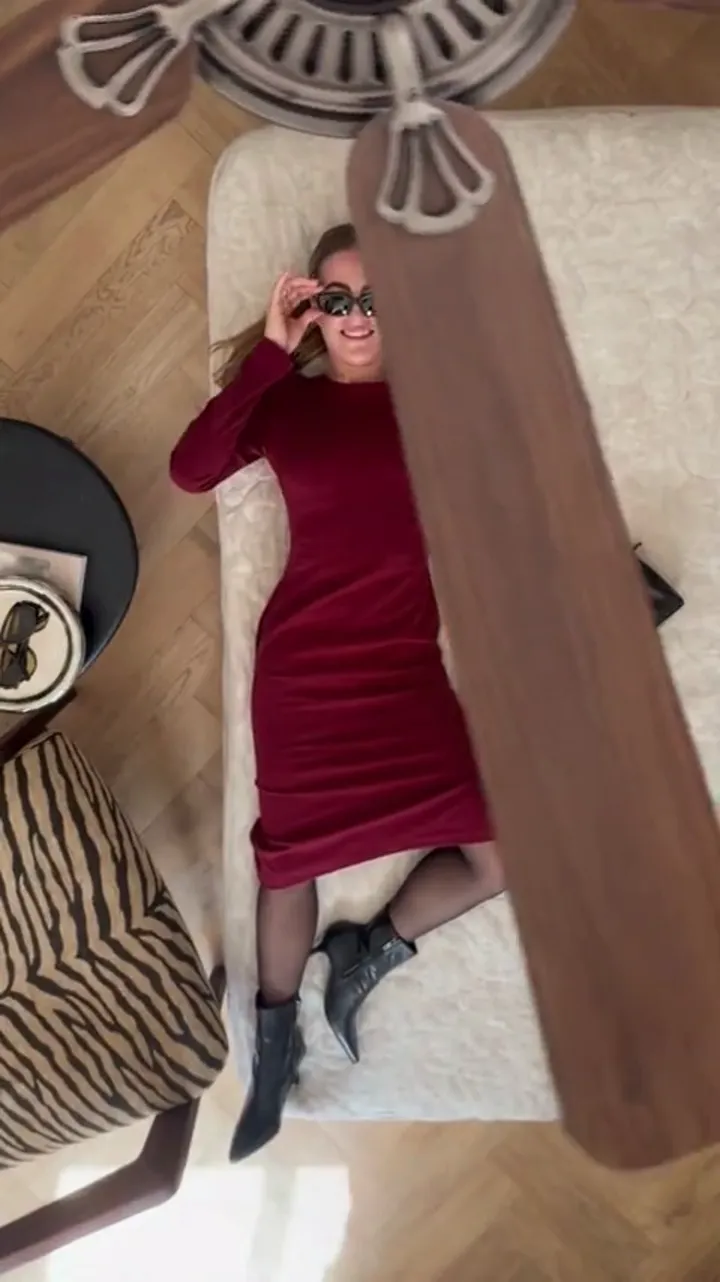
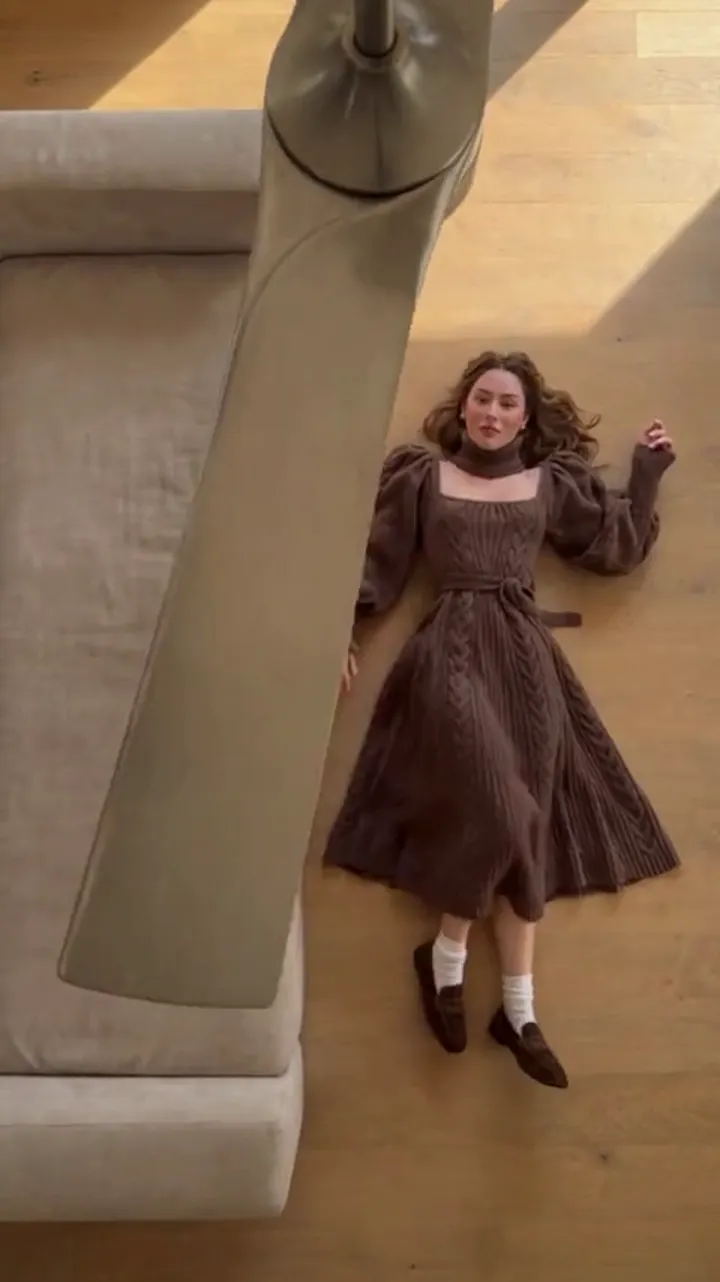
Ceiling Fan Transition Caption Ideas That Fit the Trend
Practical ceiling fan transition caption ideas, from short openers to a hashtag strategy, plus how to match the words to the clip that you actually made.
Ceiling Fan AI editorial team · Updated October 12, 2026
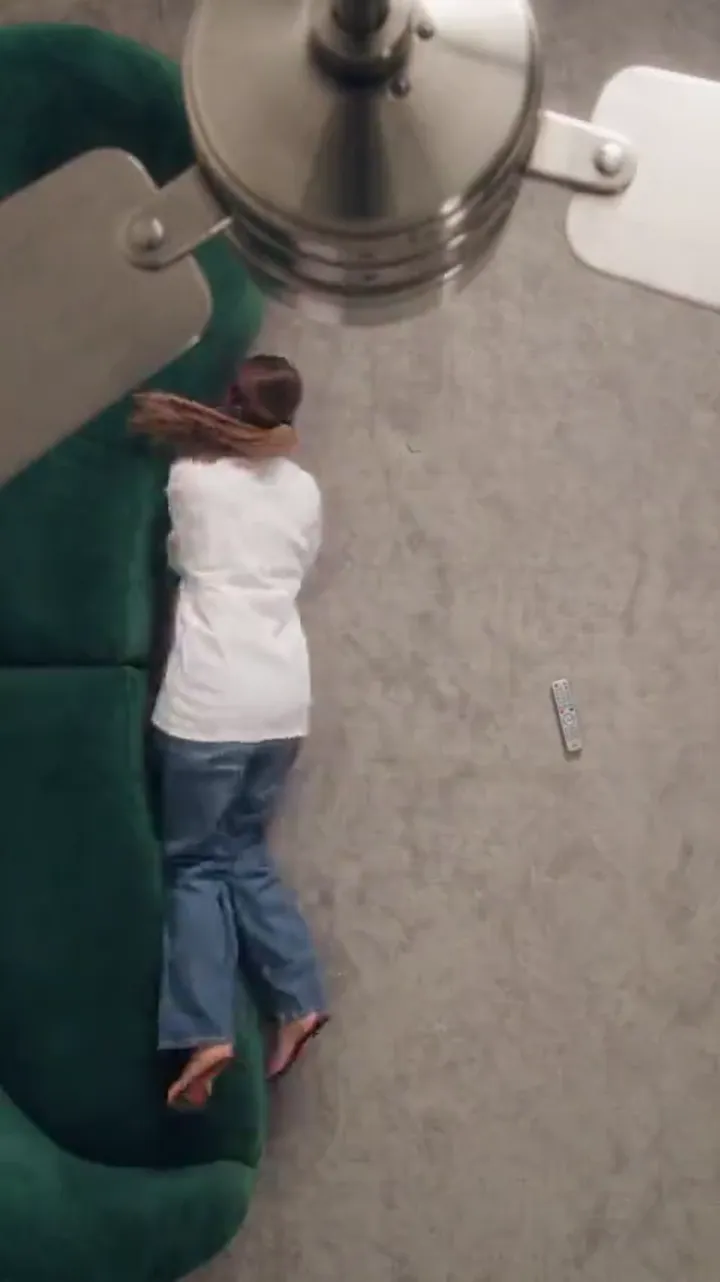
A ceiling fan transition clip does the visual work, but the caption decides whether anyone stops long enough to see it. The blade wipes, the outfit changes, and then the words either invite the viewer in or get skipped. Good captions are short, specific and honest about what the clip is, and the best ones are written for the format rather than borrowed from a generic list.
This guide covers what a caption is actually for, eighteen openers you can adapt, and a hashtag approach that keeps a transition post discoverable without looking like spam. The examples are original starting points — edit them until they sound like you, because a caption that fits your voice beats a clever one that does not.
What a caption has to do
A caption on a short video has three jobs, and they are ordered by priority.
- Give the viewer a reason to watch again. The transition is fast, and the caption is where you point out the trick — how many outfits, or what changed.
- Give them a reason to engage. A question, a poll-style prompt, or a small admission invites a comment. Comments push a post further.
- Tell the algorithm and the platform what the clip is about. Plain words in the caption, plus hashtags, help the post reach the right feed.
Notice what is missing: a long story. On a six- or twelve-second clip, a paragraph competes with the thing the viewer came to see. Short wins, and specificity beats cleverness.
A useful test before you post: read the caption and ask whether a stranger would understand what the clip shows. "Look at the blade" and "wait for the third one" both pass. "New era" does not, because it says nothing about the video.
Eighteen caption openers you can use
These are written to be pasted and edited. Each one is a full opening line, so you can add a second sentence or leave it as it is.
- Wait for the blade to pass — I promise it changes.
- Four outfits, one fan, no cuts.
- POV: the ceiling fan runs your wardrobe now.
- Count the changes. Most people miss the third one.
- I gave the fan control of my outfit and it went better than expected.
- Same person, different energy — watch the wipe.
- My ceiling fan is a stylist now.
- Three looks. One spin. Tell me which one wins.
- This trend is harder than it looks, and here is proof.
- The moment the blade hits, everything changes.
- I turned one photo and four outfits into this.
- Rate the outfits in the order the fan picks them.
- Which look should I start with next time?
- The wipe does the editing for me.
- My favourite part is how the face stays the same.
- One photo in, a whole wardrobe out.
- Watch closely — the last outfit is the surprise.
- I made the fan the director, and I am not mad about it.
Use one line, not all of them. A caption stacked with three of these reads like a bot. Pick the opener that matches the mood of the clip, add one honest sentence about how you made it if that helps, and stop.
Matching the caption to the clip
Not every opener suits every transition. The clip itself tells you which category you are in.
| Your clip | What the caption should do | Opener that fits |
|---|---|---|
| A clean two-look before-and-after | State the change plainly | Wait for the blade to pass — I promise it changes. |
| A four-outfit run | Give the viewer a job, like counting | Count the changes. Most people miss the third one. |
| A funny or accidental result | Lean into the failure | This trend is harder than it looks, and here is proof. |
| A pure showcase of the looks | Ask the audience to judge | Three looks. One spin. Tell me which one wins. |
| A reveal that saves the best for last | Warn them to stay to the end | Watch closely — the last outfit is the surprise. |
Two practical notes. First, if the clip is a loop that ends where it began, a caption like "no cuts" is accurate and worth saying, because viewers often assume editing. Second, if you plan to reuse the clip, keep the caption generic enough to survive — an opener tied to a seasonal look reads oddly a month later.
A hashtag strategy that is not spam
Hashtags are a discovery tool, not a decorator. The mistake is stacking thirty tags, half of which are unrelated, which both dilutes the signal and looks desperate. A better approach is three or four tags across three sizes.
| Tier | What it is | How many | Examples of the kind |
|---|---|---|---|
| Broad | The trend or the topic | 1 | Transition, outfit change, AI video |
| Medium | The specific format | 1-2 | Ceiling fan transition, fan wipe, viral transition |
| Niche | Your corner of it | 1-2 | AI outfit change, one-photo video, vertical AI clip |
| Personal | Your own tag or handle | Optional | A tag you use on every post |
The logic is simple. Broad tags are crowded but tell the platform the topic. Medium tags describe the format so the post reaches people who already like transitions. Niche tags find the smaller audience that actually cares and comments. Your personal tag builds a place for repeat viewers to browse.
Rotate the medium and niche tags between posts, but keep one or two broad tags stable. That combination tells the platform what your account is about while still giving each post a slightly different reach.
A three-line caption template
If you would rather not choose an opener at all, this shape works for almost any transition clip.
- The hook line. One of the openers above, or your own.
- The context, only if it helps. How many outfits, or what the trick is. One sentence at most.
- The invite. A question that a person can answer in three words.
That is the whole caption. Anything longer starts to fight the clip, and the viewer came for the clip.
Posting details worth getting right
The caption is one part of the post, and a few small things around it change how it lands.
- Put the clearest outfit first in the clip. The caption can promise a reveal, but the opening frame still has to earn the first second.
- Keep hashtags in the caption or the first comment, not both, so you are not repeating yourself.
- Do not over-explain the tool. A short "made this with an AI fan transition" is enough; a paragraph about the process belongs in the comments if someone asks.
- Check the clip on mute. Many viewers watch without sound, so the caption has to carry the idea.
- Reply to early comments with a question back. It keeps the thread moving, which is what the platform rewards.
For the mechanics behind the clip, the outfit change guide covers how to plan the looks the caption is describing, and the prompt guide explains how to list them in order.
FAQ
How long should a ceiling fan transition caption be?
Short. One hook line plus an optional sentence and a question usually works best, because the clip is brief and the caption should not compete with it.
Do I need a hashtag for the trend?
At least one broad tag describing the transition helps discovery. Add one or two tags describing the format and one for your niche, then stop.
Should the caption mention that the video is AI?
If it helps the post make sense, yes, briefly. Many viewers ask, and a one-line answer in the caption saves them the question.
Can I reuse the same caption on every post?
You can, but rotating the hook and the niche tags keeps a repeated format from looking automated. Keep one or two broad tags stable across posts.
What if a caption gets no engagement?
Change the invite, not the clip. A question people can answer in three words tends to draw more replies than an open-ended one.