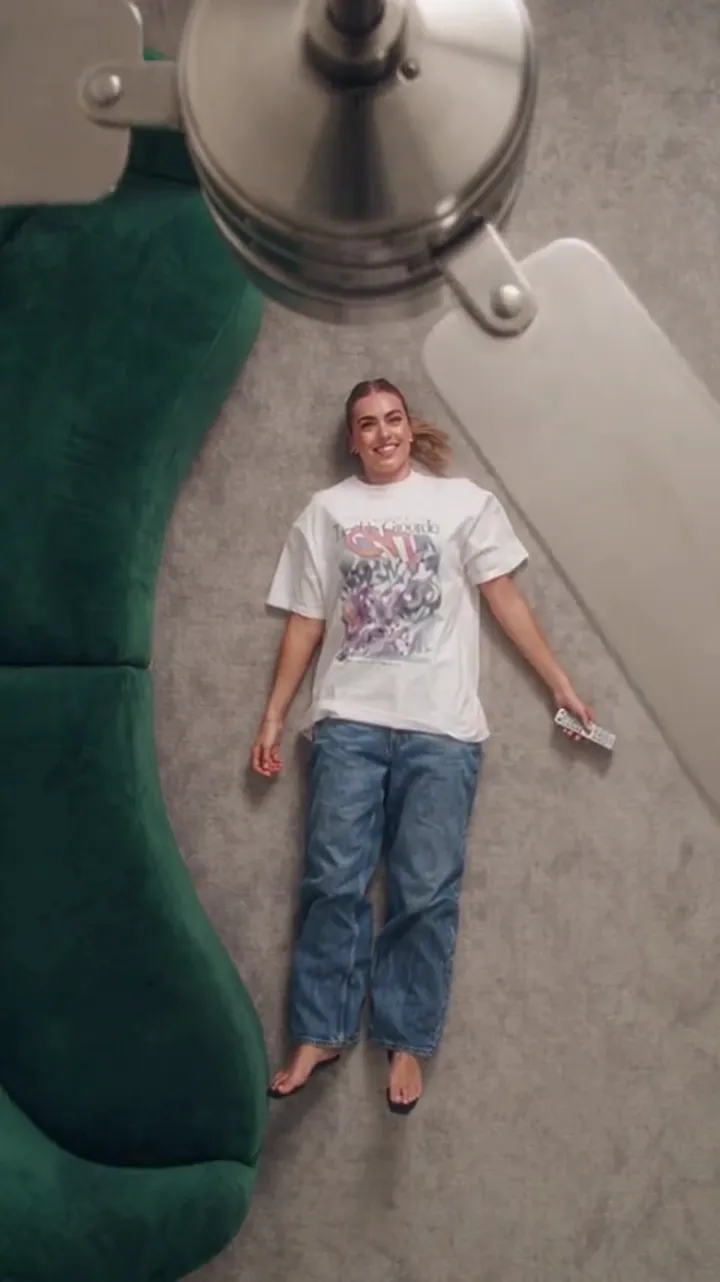
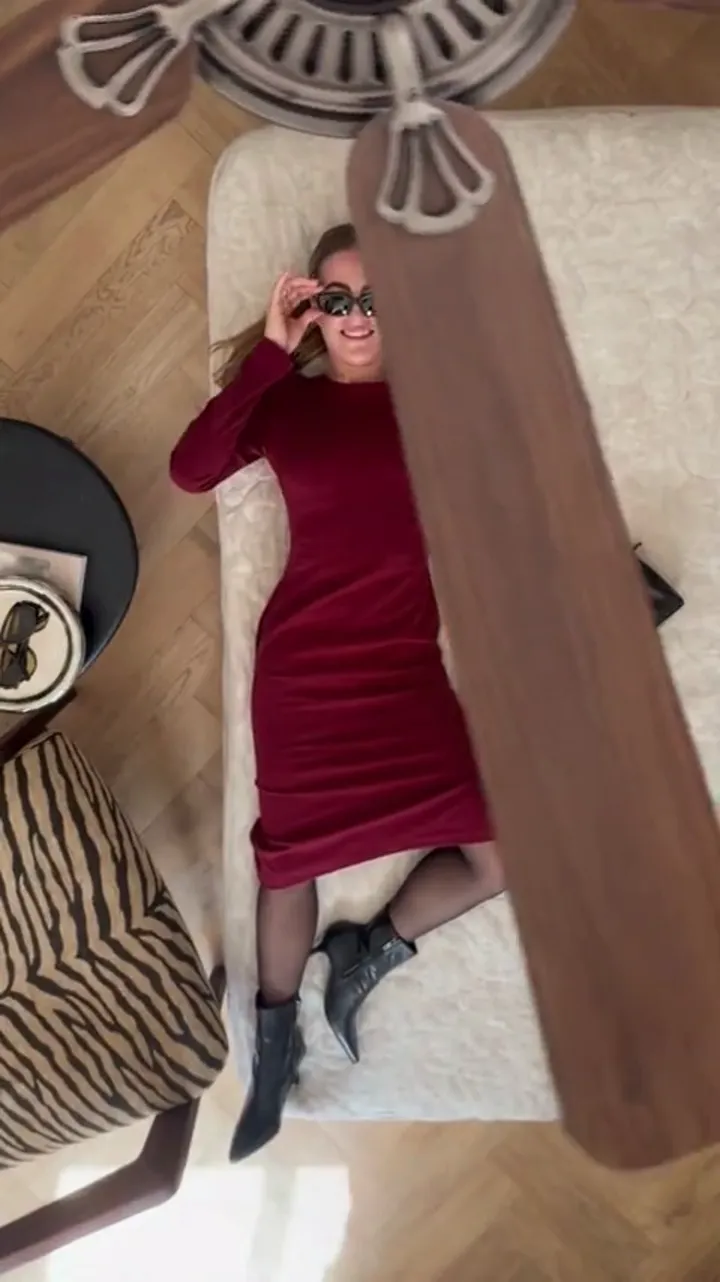
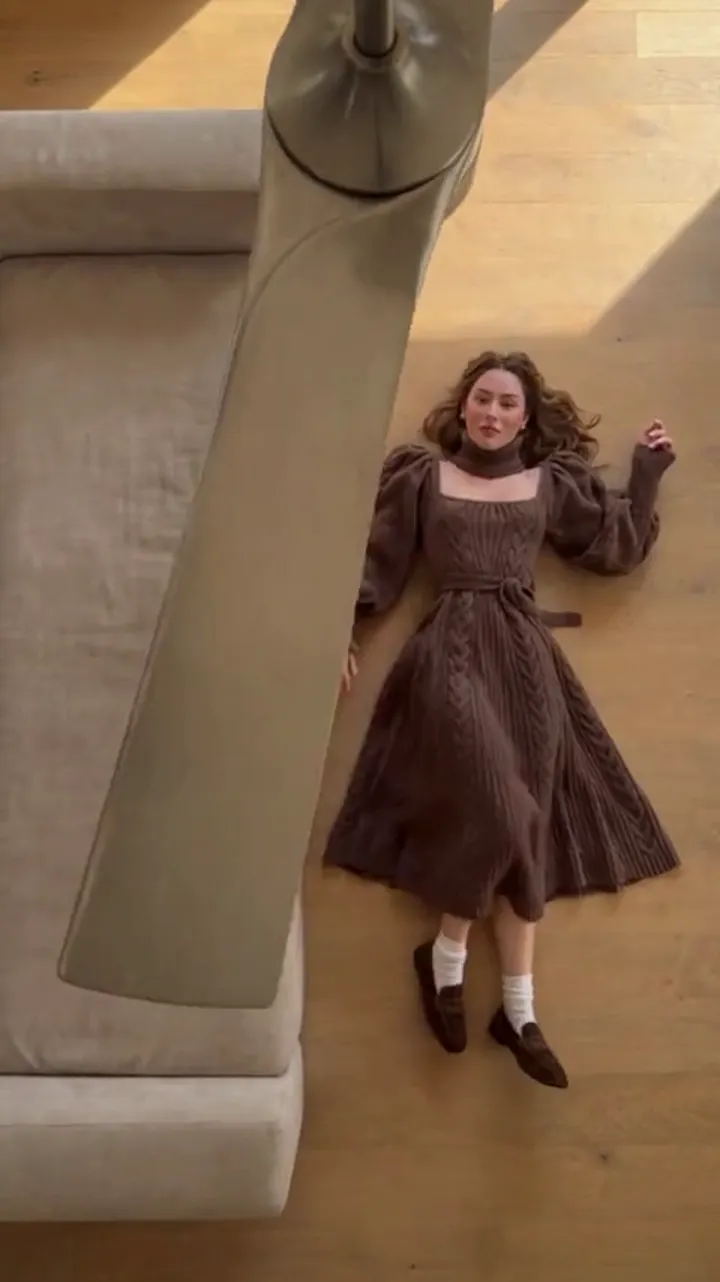
Is the Ceiling Fan Trend Safe for TikTok? What to Check
Is the ceiling fan trend safe for TikTok? Here is the practical answer on labelling AI video, music rights and using other people's faces before you post.
Ceiling Fan AI editorial team · Updated October 12, 2026
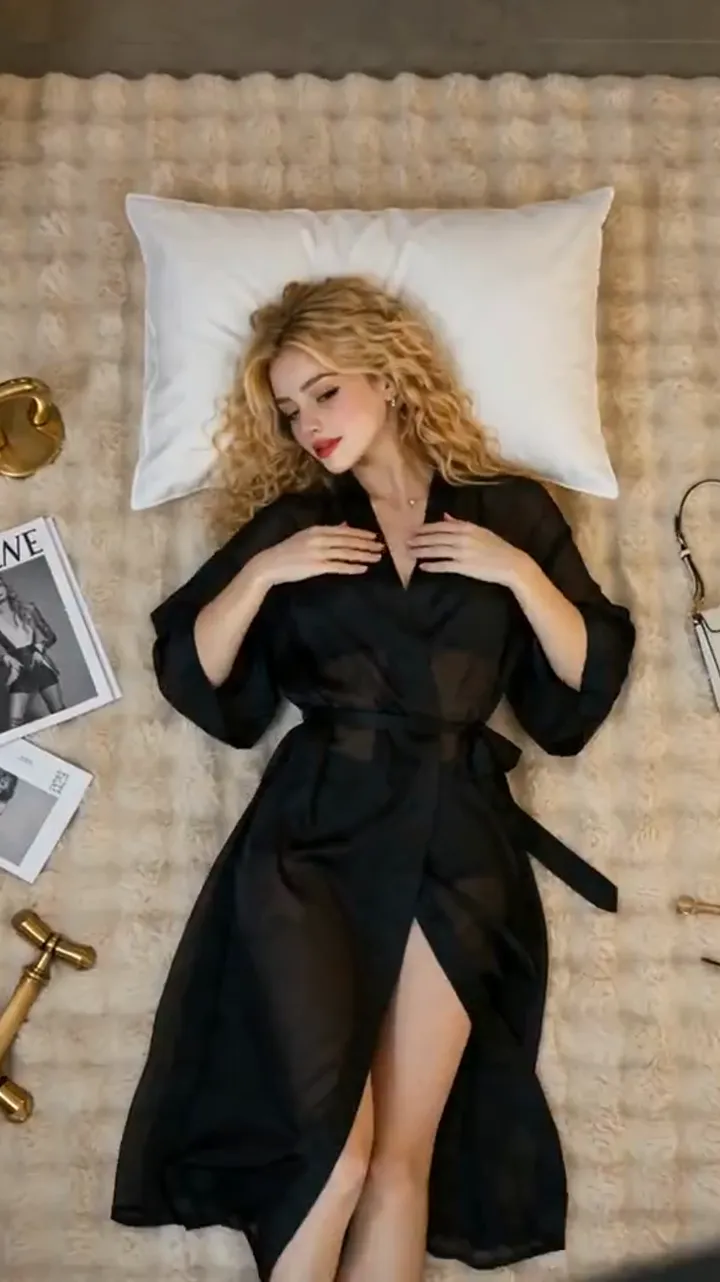
Is the ceiling fan trend safe for TikTok? The short answer is that the trend itself is not the risk — the clip you build with it is. A fan transition is just an edit, and edits are everywhere on the platform. What can get a post removed, muted or restricted is what you feed into it: unlabelled AI video, music you do not have the right to use, or footage of people who never agreed to appear.
This page is the practical version. It explains the general obligations that apply to AI-generated clips, what you should sort out before you post, and where to go for the rules that actually govern your account — because platform policies change and only the platform's own current terms are authoritative.
The short answer
For a clip you generated yourself, featuring yourself, with your own outfit photos and a sound you are allowed to use, the trend is about as low-risk as short-form video gets. The risk climbs when any of those three elements changes: when the AI video is not labelled, when the music is someone else's, or when the person on screen is not you.
None of this is unique to the ceiling fan trend. It is the same duty that applies to any synthetic media you upload.
| Element in the clip | The question to answer | The safe default |
|---|---|---|
| The AI video | Is it disclosed as generated? | Label it, and caption it as AI |
| The sound | Do you have the right to use it? | Use the platform's licensed library, or your own audio |
| The faces | Did everyone on screen agree? | Get permission, and never fake a real person |
| The account | Do you know the current rules? | Read the platform's own pages before posting |
What the rules actually cover
It helps to separate the questions people usually fold together.
Labelling AI-generated content
The main platforms have moved toward requiring that AI-generated or manipulated content be disclosed, and several provide a way to flag it when you upload. The general principle is that viewers should not be misled into thinking synthetic media is real. A stylised fan transition is clearly an effect rather than a documentary claim, but the safer habit is to disclose it anyway — through the platform's own AI-content toggle if one is offered, and by making it obvious in the caption that the clip is AI-generated. Treat "label it when in doubt" as the default.
Music and audio
Using a sound you do not own is a rights question, not always a trend question. The common ground is straightforward: use sounds the platform itself licenses for creator use through its sound library, use audio you made, or use something you have permission to use. Lifting a track from elsewhere and dropping it over a fan transition is where clips get muted or taken down — often after they have started to travel, which is the worst time. If the sound is central to the post, confirm it is cleared for your use.
Faces and likeness
Footage of someone else is their business as much as yours. The general principle is consent: if another person appears in a clip you post, they should know about it and agree to it. That applies to a friend you filmed and to a public figure. Generating or editing a clip so it appears to show a real, identifiable person doing something they did not do is a line you should not cross — it risks both platform penalties and legal exposure, and it is not what this trend needs.
Footage of children
Extra care applies when a minor is on screen. Consent has to come from a parent or guardian, and many people simply keep children out of public posts. If you are making a family clip, treat the decision to publish as a separate, deliberate one.
What counts as AI-generated here
A ceiling fan transition is synthetic media: the video model generates the motion and the wardrobe from your photos, so the frames are not a recording of a real moment. That is usually obvious to a viewer once they watch it, but the label is about honesty at a glance, not about whether someone could work it out. Captioning it as AI-generated, and using any disclosure control the platform offers, is the straightforward way to stay on the right side of the general rule.
A pre-post checklist
Run through this before you hit publish.
- The clip is labelled as AI-generated, either with the platform's disclosure control or plainly in the caption.
- Every person on screen has agreed to appear, and you have their permission.
- No real, identifiable person is depicted doing something they did not do.
- The sound is one the platform licenses to creators, one you made, or one you have permission to use.
- You are not using a celebrity's face or likeness without permission.
- The clip is your own work, built from your own photos.
- You have checked the platform's current community rules for AI content and music, because they change.
If any box is unticked, fix it before posting rather than after a removal notice.
The trend versus your clip
It is worth naming the difference plainly. The ceiling fan trend is a format: a blade wipes the frame and an outfit changes. Nothing about that format is inherently against the rules, and the format is everywhere precisely because it is easy to make. The risk sits entirely in the inputs — the sound, the faces, and the disclosure.
That is good news. It means the safety work is a short checklist you can do once, and the creative work is the part you get to enjoy. It also means there is no trick to the trend that makes it safer or riskier than any other edited clip you would post.
Before you post, in order
- Finish the clip. Watch it twice, once for the outfits and once for anything you would not want public.
- Decide the label. If it is AI-generated, say so, and use the platform's tool if there is one.
- Sort the sound. Choose from the licensed library, or your own audio, or something cleared.
- Check the cast. Confirm everyone on screen agreed, and that no unconsented likeness is involved.
- Read the current rules. Open the platform's own help pages on AI content and music, because the specifics are theirs to set and they revise them.
It is tempting to treat the rules as somebody else's problem and post first. The problem with that is that removals and mutes land after a clip has already travelled, which costs more than the two minutes this checklist takes.
FAQ
Is the ceiling fan trend allowed on TikTok?
The transition format itself is an ordinary edit and is widely posted. Whether a specific clip is allowed depends on the clip: whether AI-generated content is labelled, whether the music is cleared, and whether the people on screen agreed to appear. Check the platform's current rules for your account.
Do I have to label AI-generated video?
Platforms increasingly expect synthetic media to be disclosed, and treating disclosure as the default is the safe habit. Use any AI-content control the platform offers, and say plainly in the caption that the clip is AI-generated.
Can I use a trending sound?
Use sounds the platform licenses for creator use, or audio you have the rights to. Taking a track from somewhere else and laying it over a fan transition is where clips get muted. Confirm the sound is cleared before you build around it.
Can I put a celebrity in the clip?
Not without permission. Generating or editing a clip so a real, identifiable person appears to do something they did not do is the risky case, and it carries both platform and legal exposure. Keep the trend to people who agreed to be in it.
Is it safe if it is just me?
A clip of yourself, generated from your own photos, labelled as AI, with a cleared sound, is about as safe as posting gets. Most of the risk lives in the three inputs: the sound, the faces, and the disclosure.
Where do I find the actual rules?
On the platform's own help and community-rules pages, which are updated over time. This page describes the general obligations that apply to AI-generated clips in principle, not any platform's current policy text, so treat the platform as the authority.
For the trend itself, read the ceiling fan outfit change guide, and for how synthetic video works start with the main explainer.